Creating a Brighter Tomorrow
Types of Yoga
Ashtanga Yoga
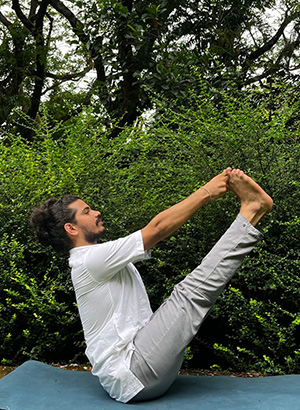
The name "Ashtanga" means "Eight limbs" in Sanskrit, referring to the Patanjali's Ashtanga Yoga system, which includes ethical guidelines, personal discipline, and the physical practice of asana and pranayama. It is a structured practice with a set sequence of poses, starting with the Primary Series, designed to build strength, flexibility, and concentration.
Hatha Yoga
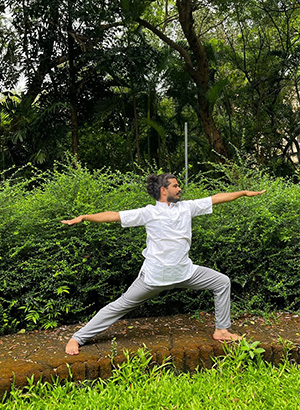
It uses physical techniques to try to preserve and channel vital force or energy. Hatha yoga focuses on posture and breathing techniques to channel vital energy sources. The practice involves breath, body, and mind include breathing, yoga poses, and meditation.
Vinyasa Yoga
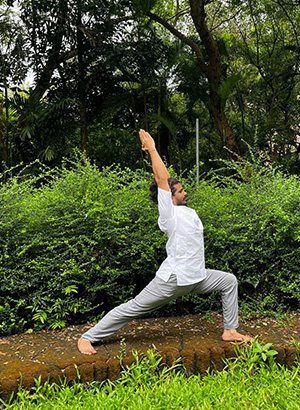
Vinyasa Yoga is a widely popular style of yoga distinct for its focus on breath with movement. It is typically described as a practice composed of poses which are linked by breath and associated with a common theme or purpose.
Pranayam
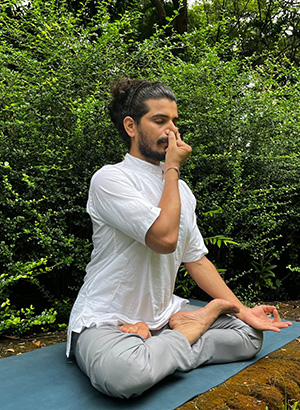
Pranayama means regulation of the prana or life force by regulating the breath. "Prana" is Breath or vital energy in the body. Pranayam involves conscious regulation of the breath to increase the flow of life energy within us, such as consciously deepening, slowing down, or directing it to specific areas of the body. Mindful control of the breath significantly impacts the practitioner's physical, mental, and emotional health.
Mantra Chanting
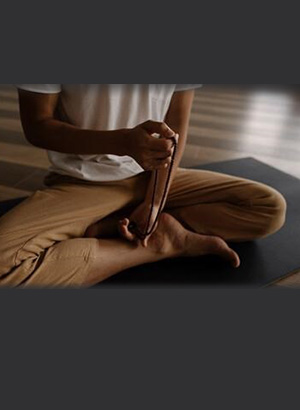
Mantra Chanting practices the repetition of a word, sound, or phrase to focus our mind on the present moment and help us achieve self-awareness. Chanting mantras helps to heal the body, protect the mind, and manifest human desires by connecting the person who is chanting with the divine.
Meditation
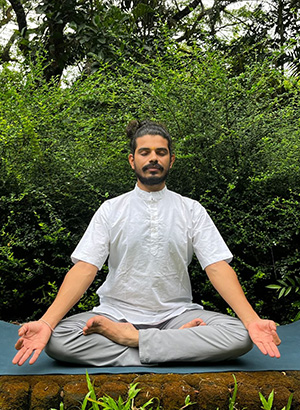
Meditation is a practice that involves training your attention and awareness to achieve a mentally clear and emotionally calm state. Meditation is a type of mind-body complementary medicine. Meditation can help you relax deeply and calm your mind. During meditation, you focus on one thing. You get rid of the stream of thoughts that may be crowding your mind and causing stress. This process can lead to better physical and emotional well-being.
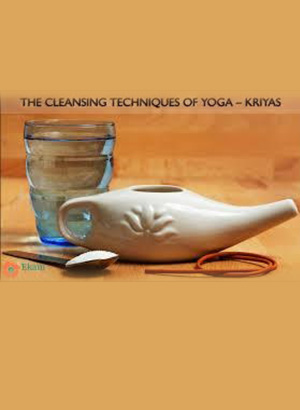
Shuddhikriya (Cleansing Techniques)
Shuddhi kriyas or cleansing techniques are six traditional yogic cleansing practices that purify the body and mind by removing toxins and impurities. These techniques, which are a part of Hatha Yoga, prepare the body for other practices like asana and pranayam, and help balance the body's systems to improve overall health and well-being. The six main kriyas are Neti, Dhauti, Nauli, Basti, Trataka, and Kapalbhati.
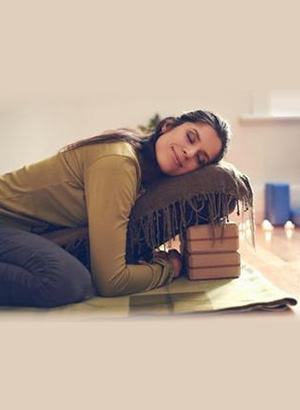
Restorative Yoga
Restorative yoga is a gentle practice that focuses on physical and mental relaxation through long-held, supported poses. It uses props like blankets and bolsters to support the body, allowing for deep breathing and stillness. This slow-paced style is suitable for all levels and aims to reduce stress and improve overall well-being. Restorative yoga is a restful practice using props to hold poses for longer, emphasizing deep relaxation and the union of body and mind.
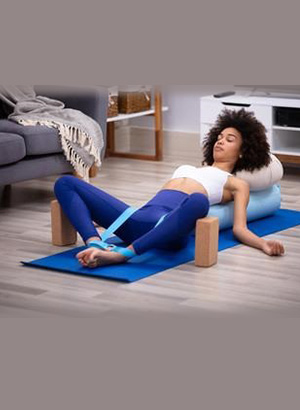
Yin Yoga
Yin yoga is a type of gentle yoga designed to help you relieve tension, focus on breathing, and increase mindfulness. This slow, gentle form of yoga is the perfect complement to a hectic, fast-paced life or intense workouts. Yin yoga uses gentle, relaxing postures to alleviate tension, enhance breath awareness, and develop mindfulness.Yin Yoga is a style of yoga in which poses are held for 3-5 minutes on each side. Instead of focusing on building strength, Yin focuses on flexibility and relaxation by targeting deep connective tissue. Yin Yoga is suitable for all levels. Beginners who are particularly stiff should have some props handy (blocks, blankets, bolsters, pillows, etc).
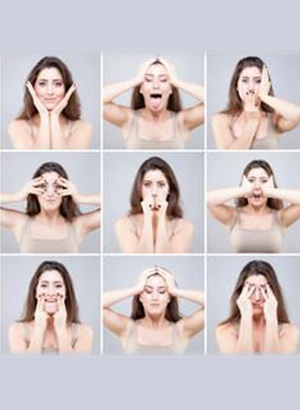
Face Yoga
Face yoga is a description for exercises performed to tone and stretch facial muscles. Face yoga is a gentle form of strength training for your face and neck that typically concentrates on one of the 57 facial muscles (or groups of muscles) at a time. Face yoga is a wonderful natural way of looking and feeling younger and healthier. It's a combination of face exercises which lift and tone the skin. Face yoga involves massage and exercises that stimulate the muscles, skin, and lymphatic system. It may help strengthen and relax your facial muscles to alleviate tension, stress, and worry.
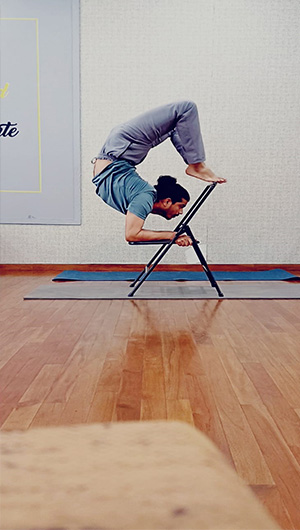
Chair Yoga
Chair yoga is exactly what it sounds like: yoga that is performed while seated in a chair. Every pose, breathing exercise, or meditation is done while sitting down. It is especially helpful for anyone who has difficulty balancing, standing for a long time, or getting up from or down on the floor, where yoga is traditionally performed. Chair yoga is also a great option for a quick stretch if you'll be sitting for a while, such as on a long car or plane trip or at your desk during a busy workday. All you need is a sturdy chair to do gentle poses. While it can help everyone, this low-intensity practice is ideal for those with limited mobility. Chair yoga modifies yoga poses for a seated position, helping to stretch muscles, relieve pain, and improve posture. It can be done anywhere.
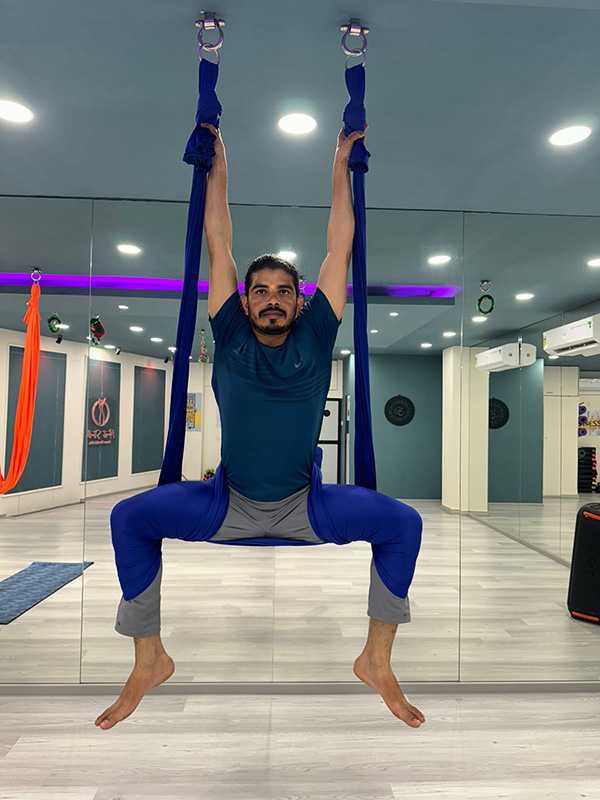
Aerial Yoga
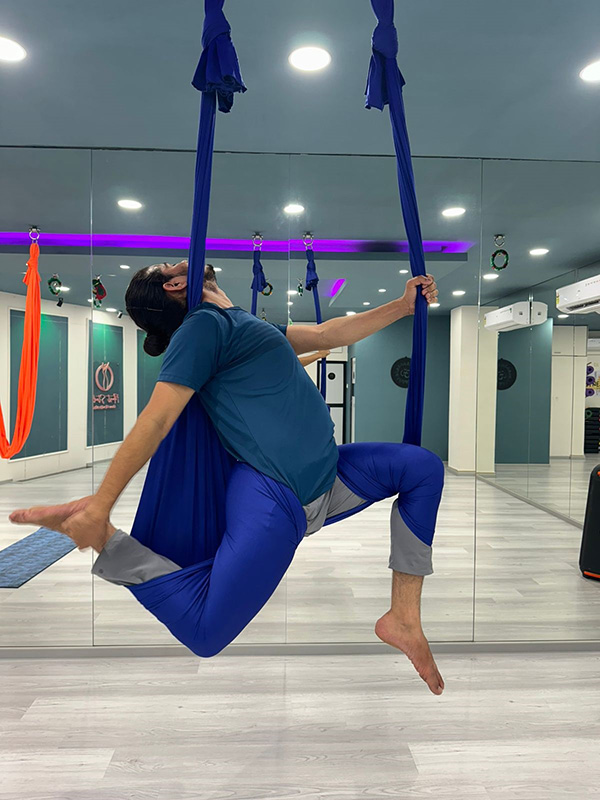
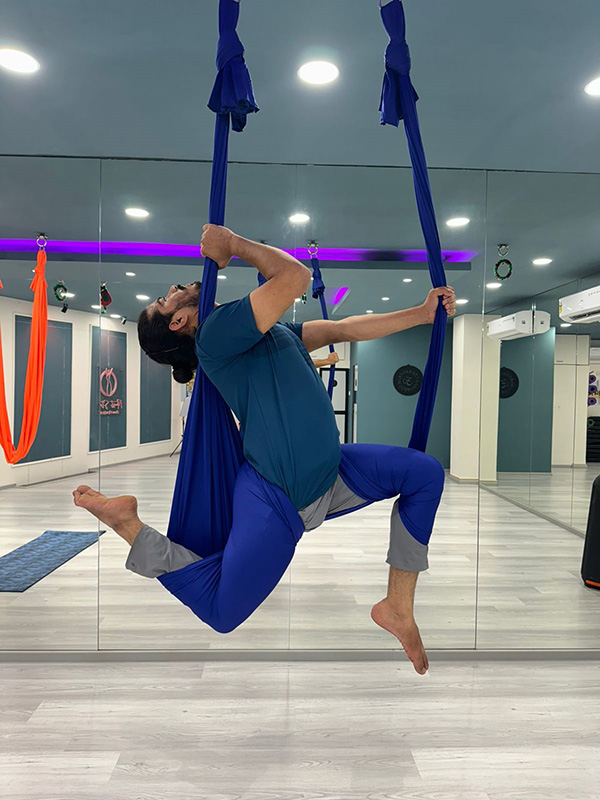
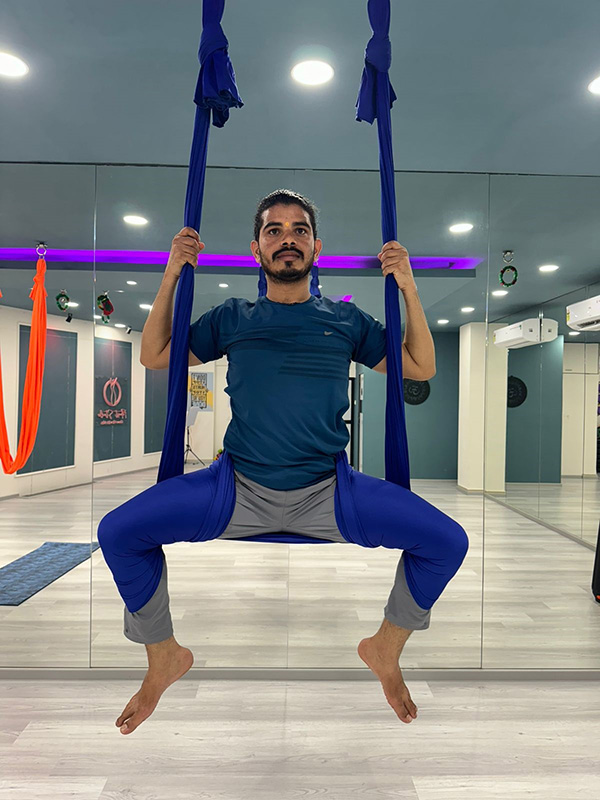
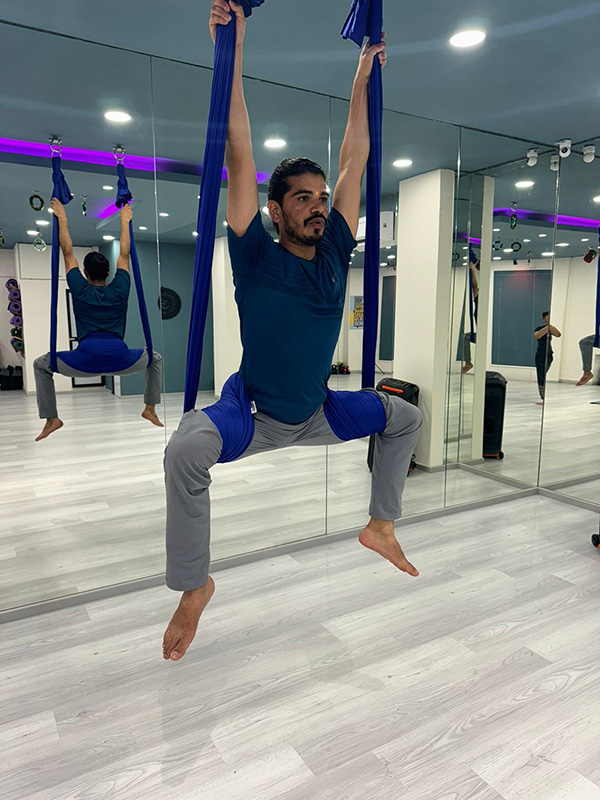
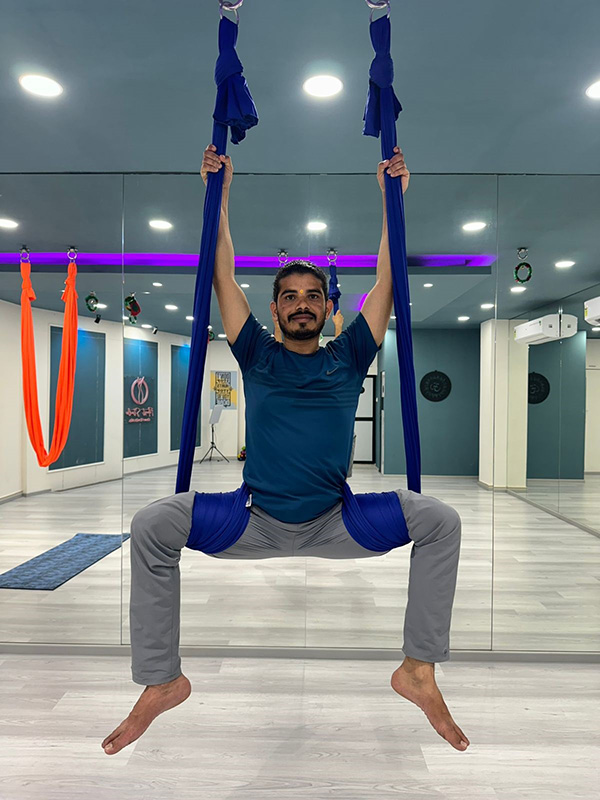
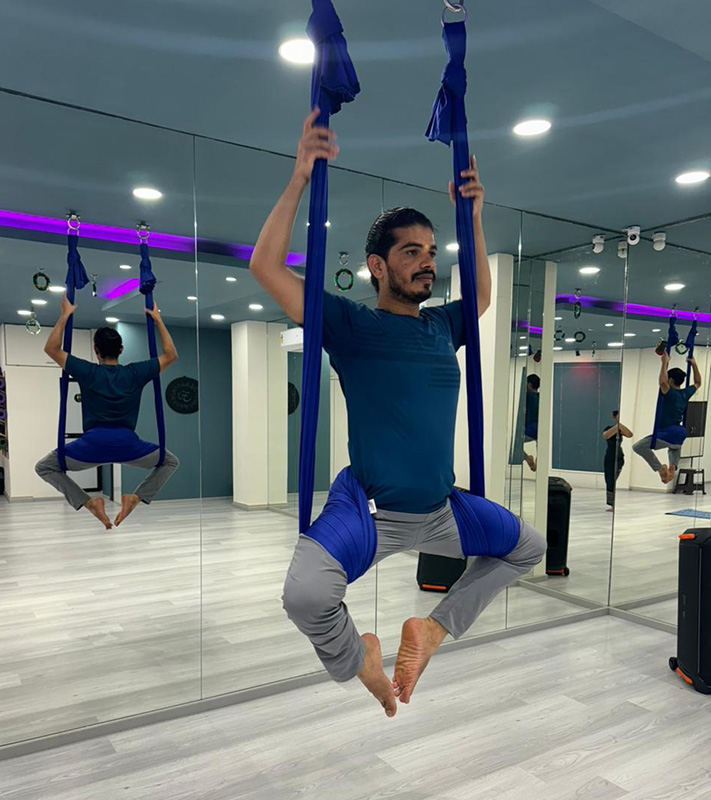
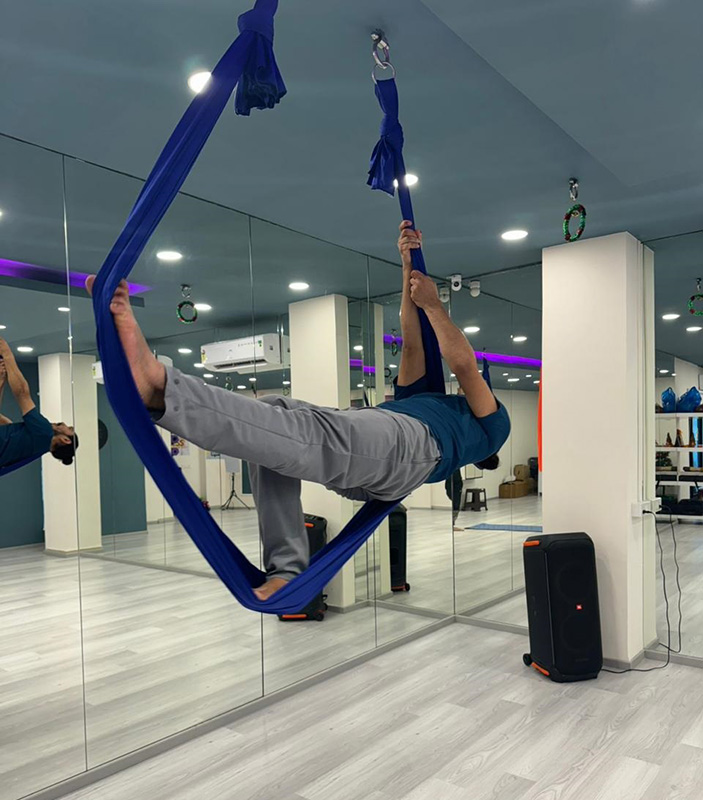
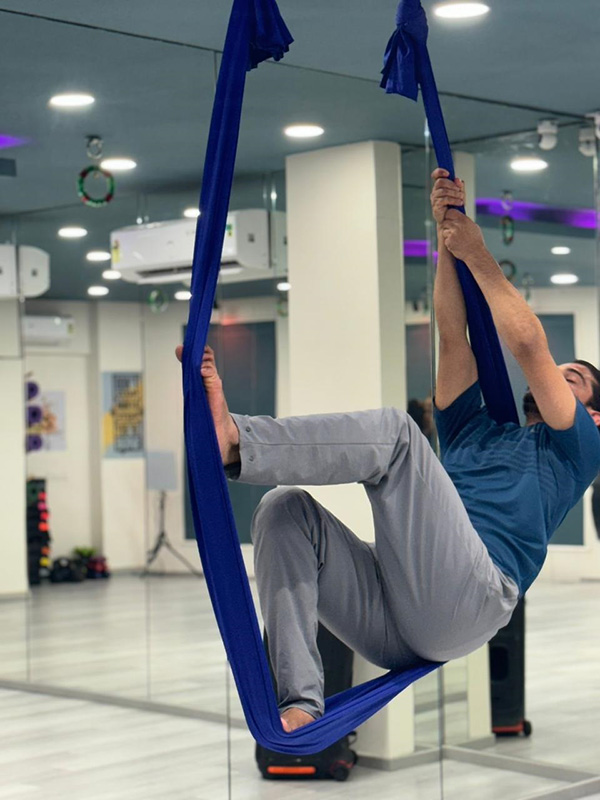
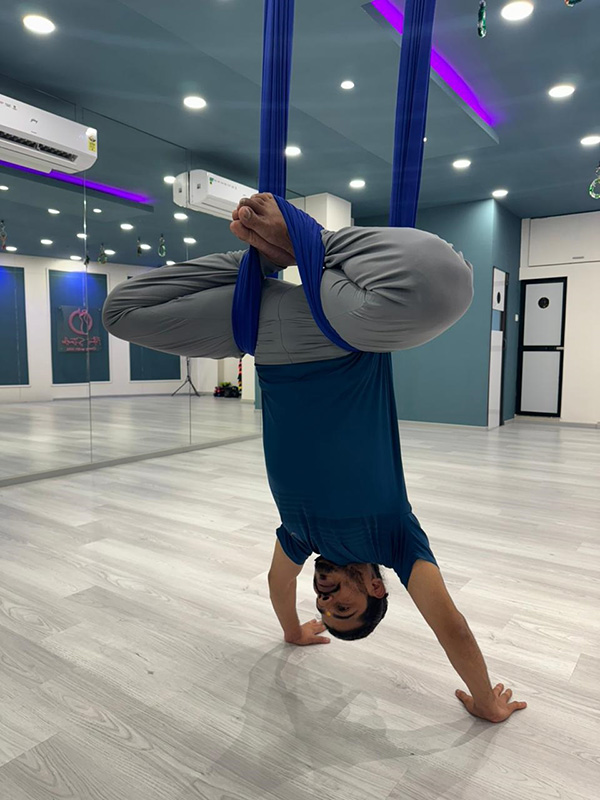
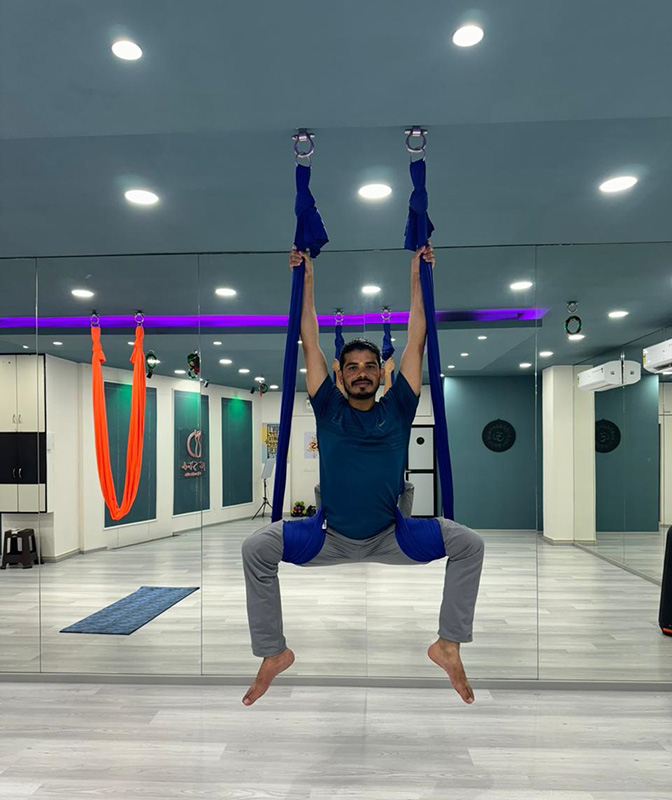
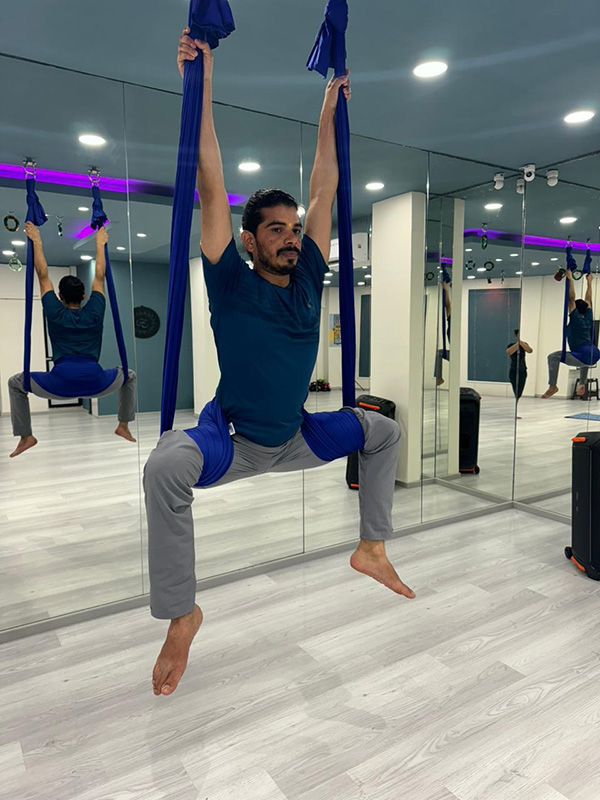
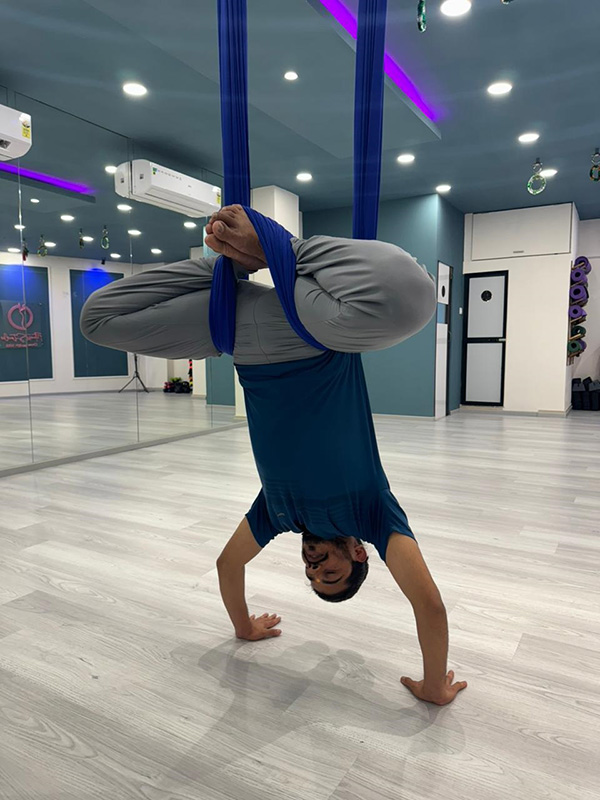
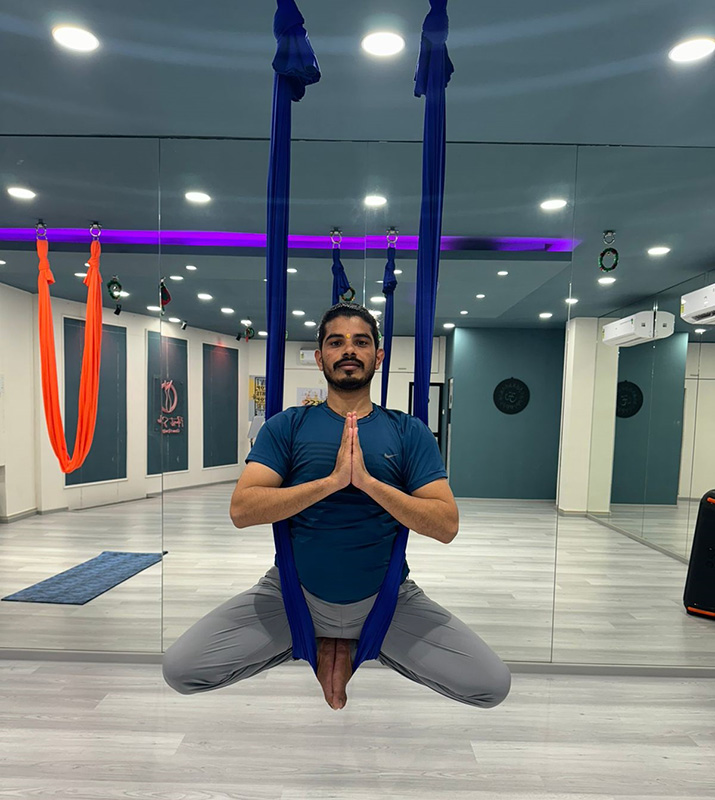
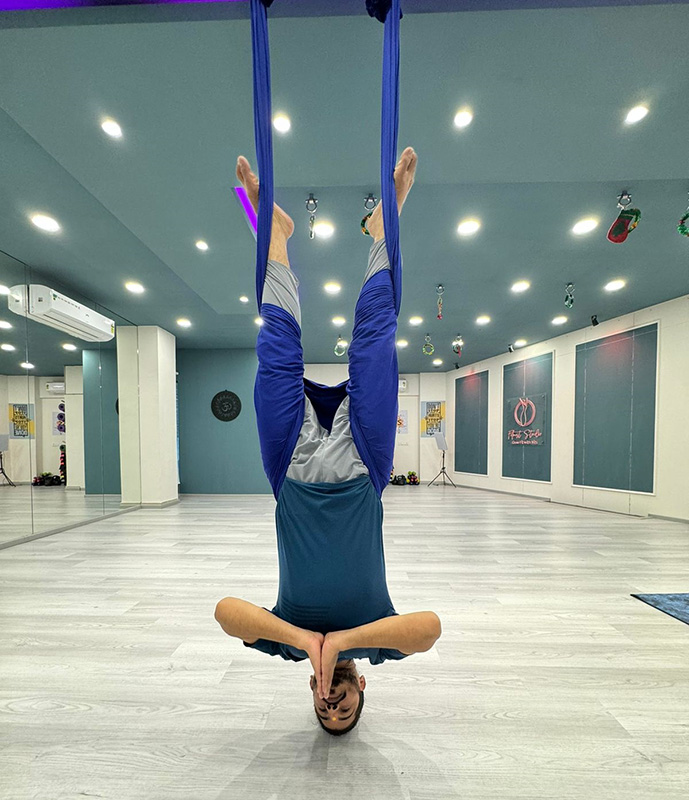
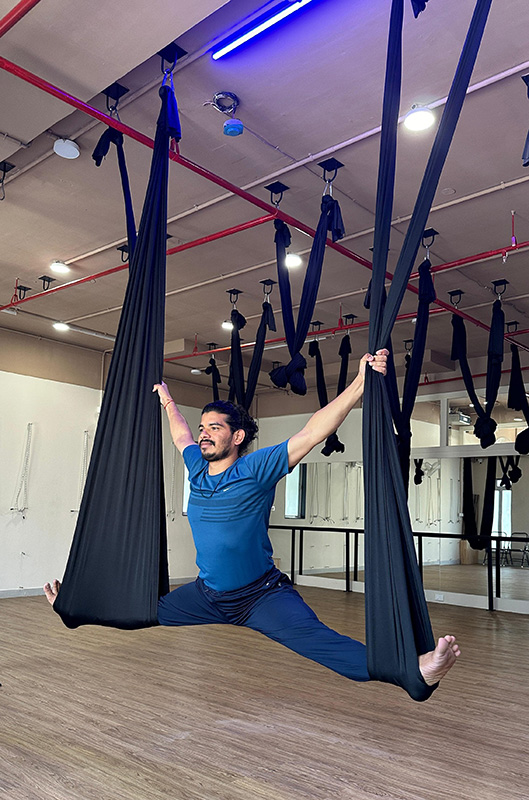
Aerial yoga is a hybrid type of yoga combines traditional yoga poses, Pilates, and dance with the use of a hammock. It is a fusion of traditional yoga and acrobatic movements, has taken the wellness world by storm. Hanging a suspended hammock or silk fabric, practitioners engage in yoga poses, enhancing flexibility, strength, and balance.
view more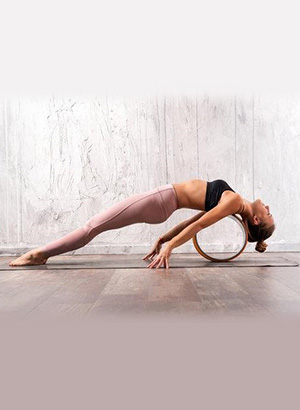
Wheel Yoga
Elevate your yoga practice with the transformative power of the yoga wheel-a versatile prop that opens the door to Deeper stretches, Enhanced flexibility, Stronger core engagement. Whether you're a beginner or an experienced practitioner, incorporating a yoga wheel into your routine can unlock new levels of strength, mobility, and body awareness.
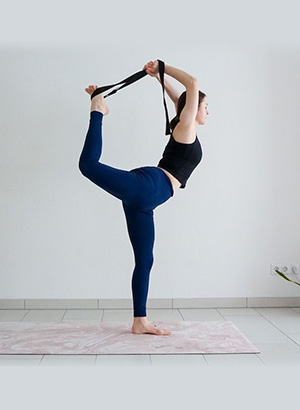
Belt Yoga
Belt Yoga more accurately known as yoga with straps, refers to practicing yoga poses with a yoga belt or strap to help deepen stretches, improve alignment, and increase flexibility. This versatile prop acts as an extension of the arms and legs, making difficult poses more accessible for beginners and providing support for all levels of practice. They can help you to support a yoga pose; find your way into a yoga pose more fully; and in restorative yoga, belts can be really helpful to help hold parts of the body so that the body can rest and enjoy the benefits of the pose without the effort of holding the pose. They can make poses more achievable, especially if you are a beginner. For the more advanced students they can help to find more nuance in poses.
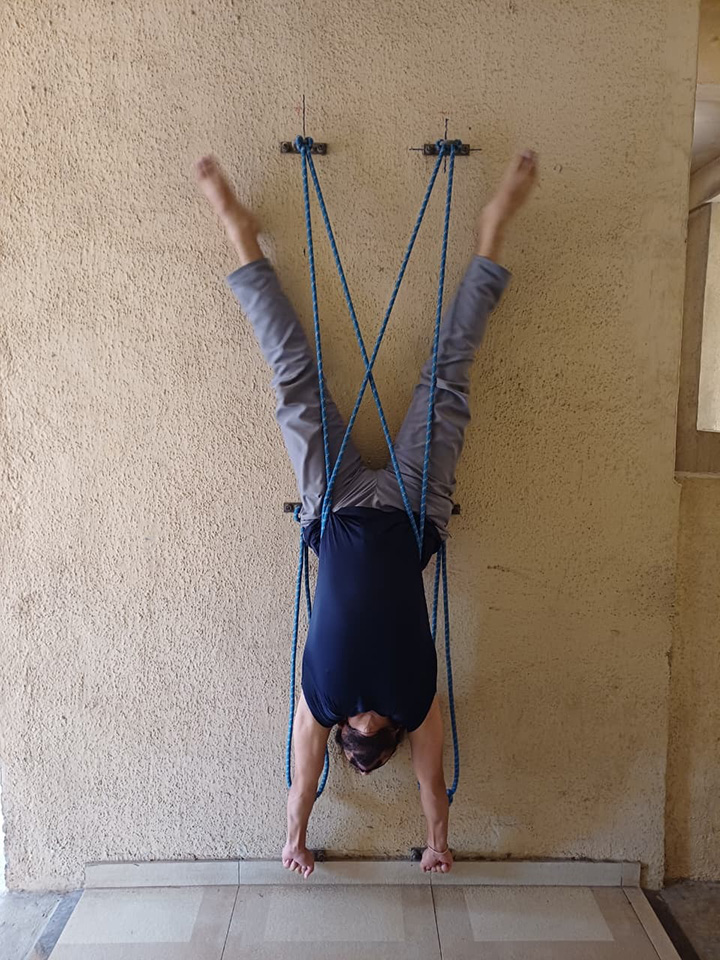
Rope Yoga
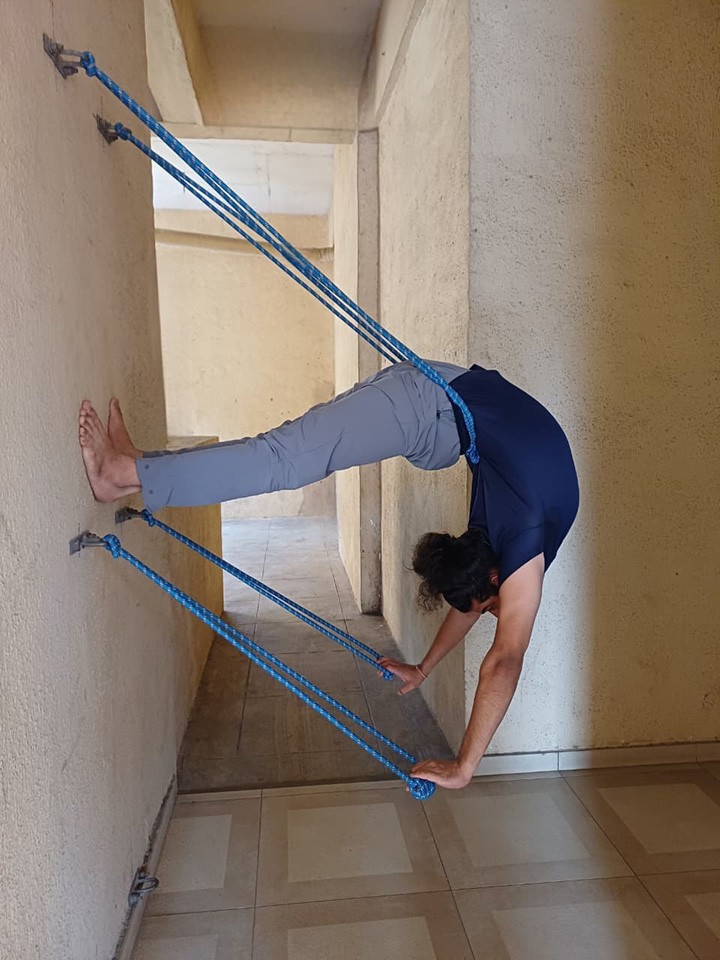
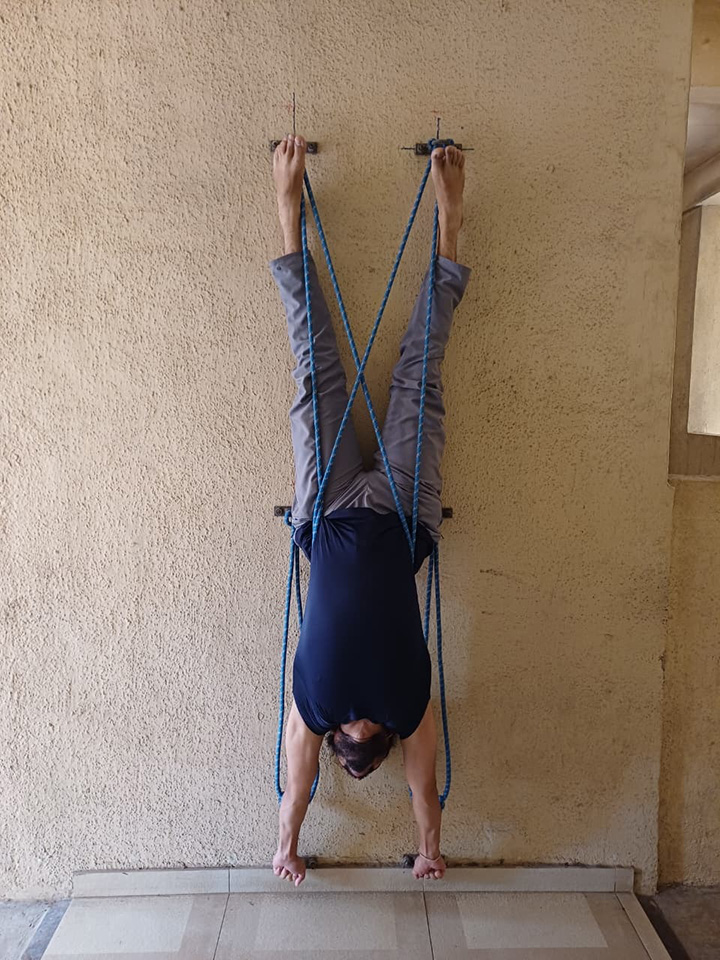
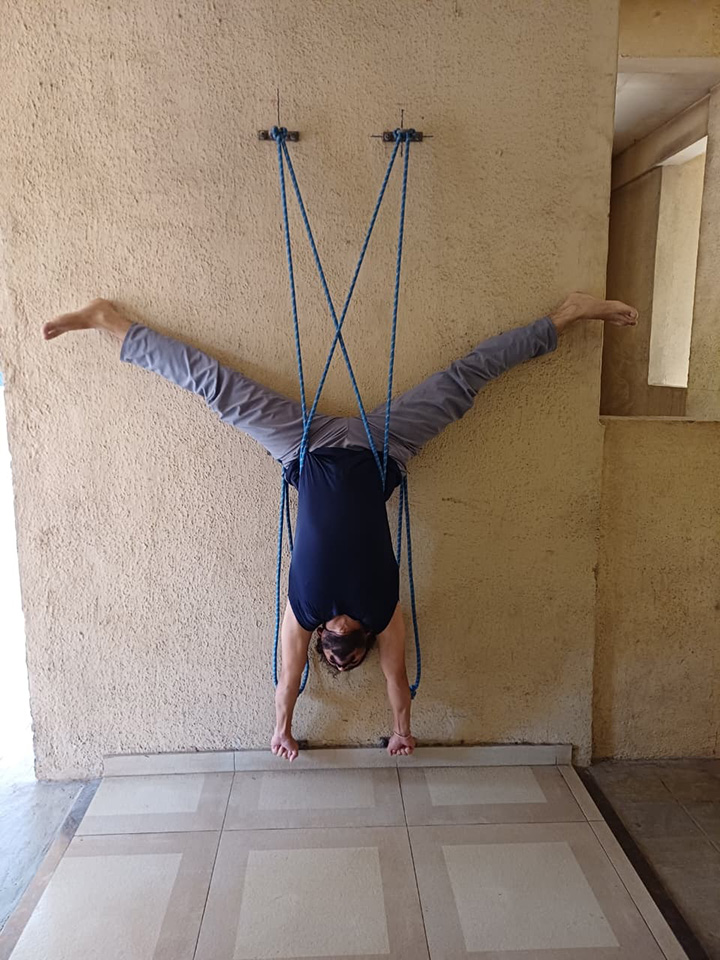
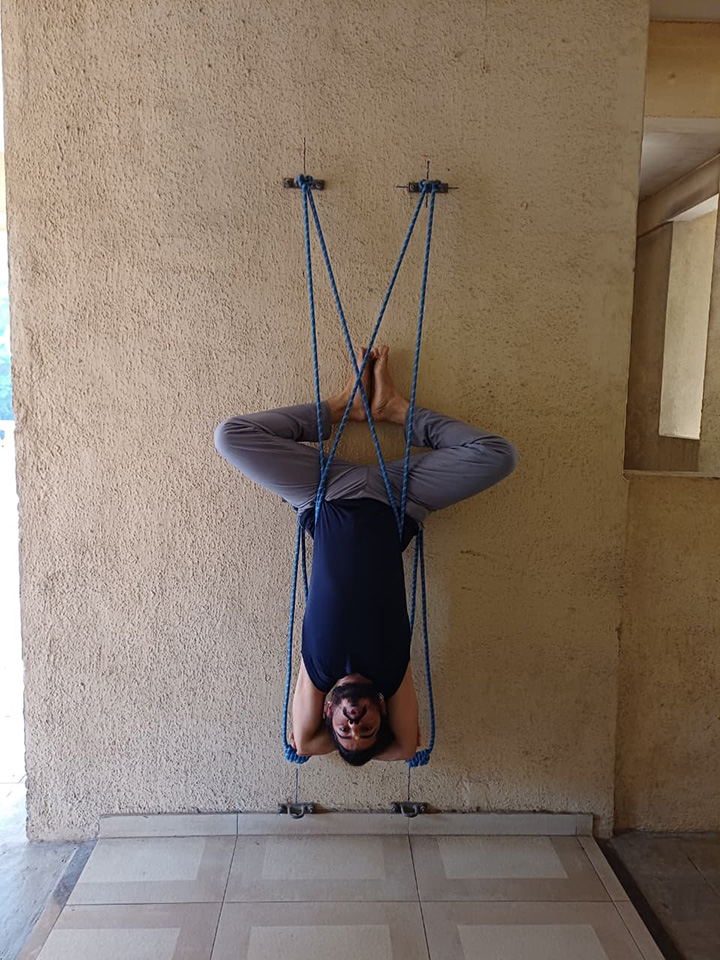
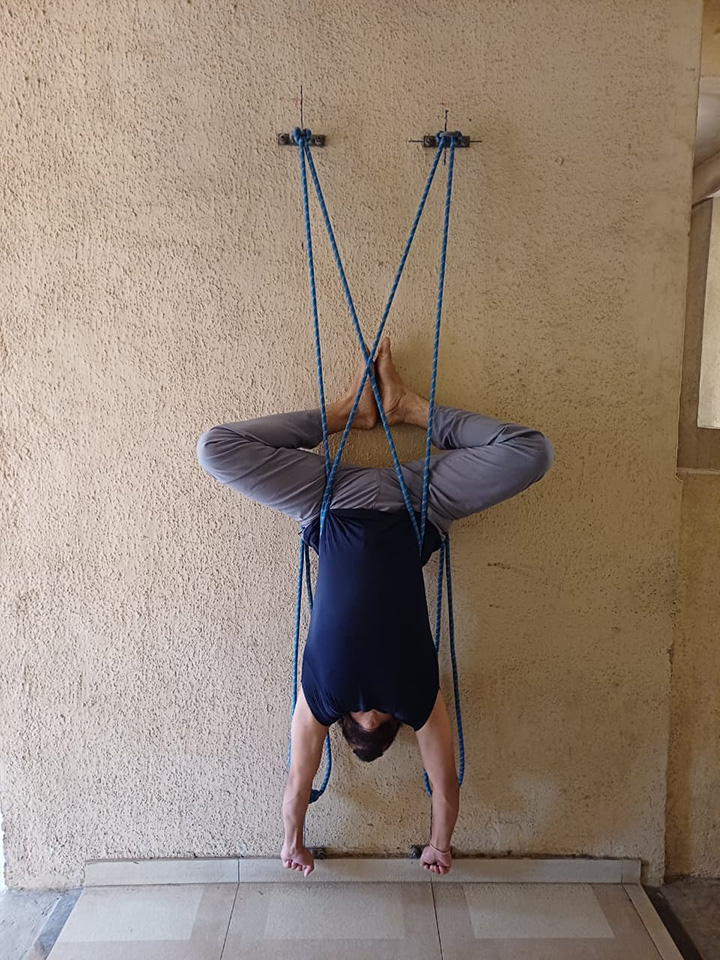
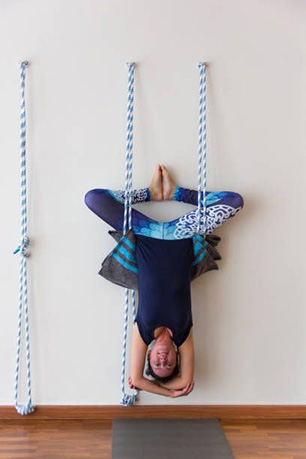
Rope Yoga is also known as "Yoga Kurunta", kurunta is a Sanskrit term that refers to "puppet". It is named so because using ropes to get into a yoga posture stretching, flexing, or, twisting the body resembles a puppet movement. Trying rope yoga comes in handy for beginners as well as it helps in stretching and opening the stiff muscles and deepens the practice.
view more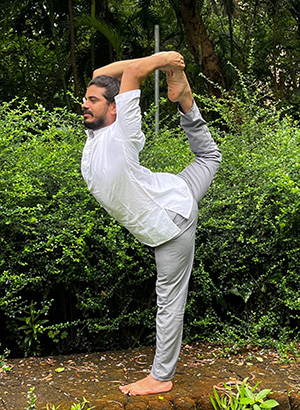
Power Yoga
Power yoga, also known as Vinyasa, is a fast-paced style focused on building strength and endurance, and is good for burning calories. Power yoga is a fast-paced, fitness-oriented style of yoga that combines the athletic and structured elements of Ashtanga yoga with the flowing, breath-synchronized movement of Vinyasa yoga to build strength, endurance, and flexibility. It is a vigorous workout that raises your heart rate, burns calories, and builds muscle by holding poses for longer periods, and it also offers benefits like stress reduction and improved posture.
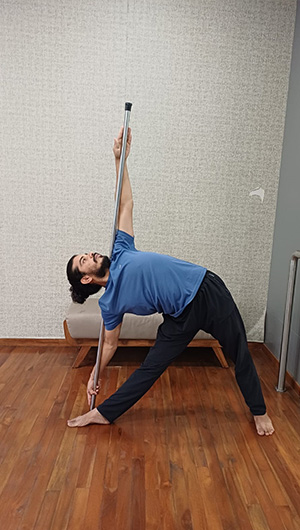
Stick Yoga
Stick-Yoga is an innovative, gentle and effective approach to total fitness and body awareness. Yastikasana, or Stick Yoga is a simple pose to de-stress and remove fatigue. It improves body strength, resilience, and boosts immunity. Yastikasana ultimate simple asana to de-stress and remove all fatigue. Before any individual attempts to practice advanced yoga asana learn the correct way to do Yastikasana. This particular posture improves body strength, resilience and boosts immunity. Ideally suited to all the office goers or desk job holders take note and practice this asana. When practised regularly by children it benefits in increasing the height. Get rid of excess fat and reduce the belly fats the yoga way.
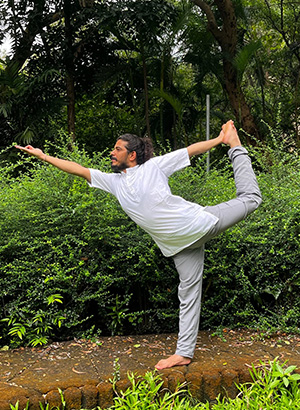
Balancing Yoga
Balancing yoga poses in one's fitness routine helps to strengthen the feet, ankles, calves, knees, and thighs by engaging stabilising muscles during balance and increasing mobility. These poses also improve concentration and sense of balance through focused awareness while holding the posture. Balancing poses in yoga are a powerful way to build harmony between the body and mind.
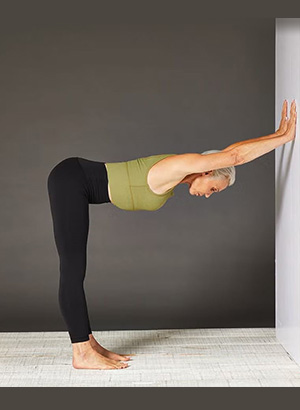
Wall Yoga
Wall yoga is a variation of traditional yoga that uses a wall as a prop to support and guide you in poses, making it a great practice for beginners or those who need help with balance and alignment. It offers benefits like stress reduction, improved posture, and deeper stretches, and can be used for restorative poses like "legs up the wall" or more active exercises like supported side planks. Wall yoga poses can significantly deepen your yoga practice and enhance your flexibility, strength, and overall well-being. Practicing yoga at the wall is a great way to learn better yoga alignment with the benefit of the wall for extra support.
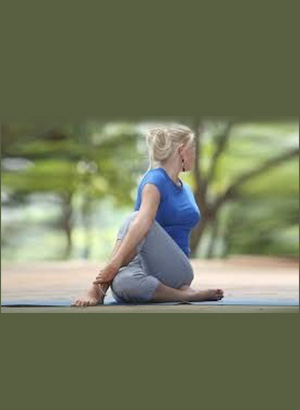
Twisting Detox Yoga
Twisting detox Yoga involves poses that rotate the spine and torso to stimulate internal organs, aiding digestion and helping the body eliminate toxins. This practice can be performed in various poses, including seated twists like Ardha Matsyendrasana and standing twists like Parivrtta Parsvakonasana, and is often enhanced with deep breathing and spinal lengthening. Twisting yoga helps detox by squeezing organs, stimulating metabolism, and creating heat for sweating, using a "squeeze-and-soak" action.
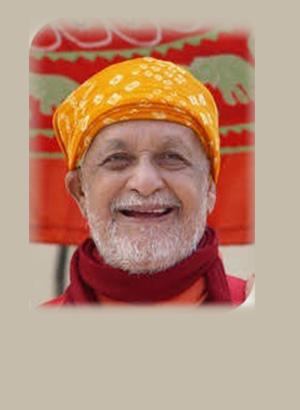
Satyananda Yoga
Satyananda Yoga involves the practice of: Asanas (postures), Pranayama (breathing techniques), Shatkarmas (six action/purification methods), Yoga Nidra (psychic sleep meditation), Kriya Yoga, Kundalini Yoga, Mudras (gestures), Bandhas, Dhyan (meditation from the Tantras), e.g. Ajapa, Japa (meditation breath with mantra), chakra shuddhi (chakra purification), Tratak (candlelight and gazing meditation), Naada yoga (yoga of sound, including singing, chanting, Om chanting), Mantra Yoga (the repetition of sacred sounds) Karma yoga, Jnana yoga.
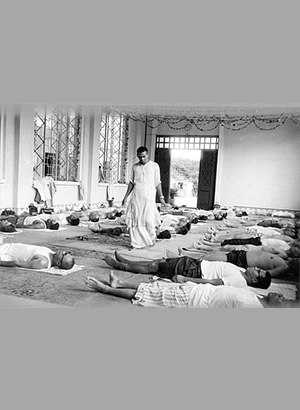
Shivananda Yoga
Sivananda Yoga is a holistic and classical style of hatha yoga that incorporates chanting, meditation, breathing exercises, relaxation, and 12 basic poses (asanas). It is a spiritual system that integrates the four paths of yoga karma, bhakti, raja, and jnana and aims for physical, mental, and spiritual well-being, not just physical exercise. It was founded by Swami Vishnudevananda based on the teachings of his guru, Swami Sivananda Yoga is a classical type of yoga based on the teachings of ancient yoga traditions. It is one of the few contemporary yoga styles to take a holistic and spiritual approach to yoga and encourage practitioners to develop a connection with the innermost Self. Sivananda Yoga has five core teachings : proper exercise, proper breathing, proper relaxation, proper diet and proper Meditation.
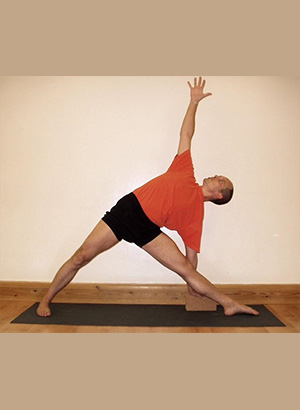
Iyengar Yoga
Iyengar Yoga is a form of yoga as exercise with a focus on the structural alignment of the physical body through the practice of asanas. It differs from other styles of yoga in three ways: precision, sequence and use of props. It states that the style "emphasises precision and alignment.
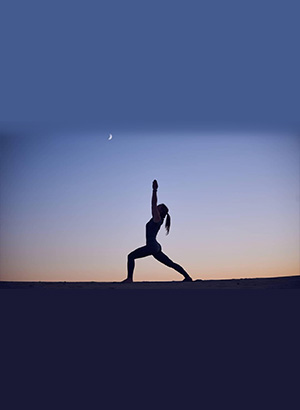
Moon Yoga Flow
Moon Yoga refers to a practice called Chandra Namaskar, or Moon Salutation, which is a flowing sequence of yoga poses designed to be cooling, calming, and to connect with lunar energy. Unlike the more energetic Sun Salutations, it's meant to soothe the nervous system and is often practiced in the evening. It can also refer to other forms of lunar-themed yoga, such as full moon or new moon flows, which are often tailored to the energy of the specific moon phase.The moon salutation (Chandra namaskara) is a series of poses for cooling, flowing movement, unlike sun salutations, and is used to calm the mind.
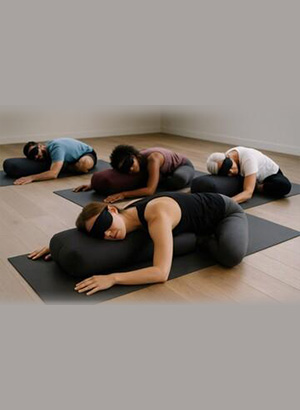
Blind Fold Yoga
Blindfold yoga is a practice where yoga poses are performed with a blindfold to block visual input, forcing a deeper reliance on other senses like touch, sound, and body awareness. This challenges practitioners to move beyond visual cues, enhancing internal focus, mindfulness, and the mind-body connection. While it can lead to heightened awareness and a deeper sense of presence, it is important to ensure safety by practicing in a clear space and with an experienced instructor, especially for beginners or those with balance issues. Blindfold yoga is a variation of traditional yoga that incorporates the use of a blindfold to heighten the senses and increase body awareness. While traditional yoga focuses on physical postures (asanas), breathwork (pranayama), and meditation, the blindfold kind adds an extra layer of sensory deprivation to challenge and deepen the practice. The blindfold not only fosters a greater sense of concentration but also encourages practitioners to rely on their sense of touch, balance, and intuition.
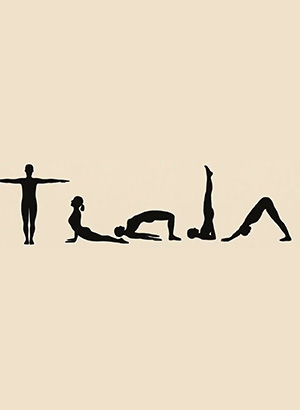
Tibetian Yoga
Tibetan yoga is a spiritual and physical practice that combines meditation, breath work, and movement to regulate body energy and clear mental and physical blocks. It includes practices like the Five Tibetan Rites, a set of dynamic exercises, and more advanced techniques such as dream yoga and tantric yoga. The ultimate goal is to foster spiritual growth and achieve a state of mental clarity and well-being. Five Tibetans Sequence, part of Tibetan Yoga, consists of 5 flows that activate magnetic centers, bringing balance and well-being. It's a full-body stretch. Tibetan Yoga regulates energy flow in the body and mind to remove blocks, using breathing, visualizations, and movements, often with vigorous movement.